
LANA Insurance CENTER INC
HVAC Insurance in Connecticut
Running an HVAC business involves much more than installing furnaces or repairing air conditioning systems. Contractors work with electrical components, tools, customer property, employees, vehicles, and equipment, often while working in occupied homes and commercial buildings. These responsibilities can create a variety of risks, making the right insurance strategy an important part of protecting an HVAC operation.
Lana Insurance Center offers insurance solutions designed around the needs of HVAC contractors. Whether a business focuses on residential service, commercial installations, maintenance contracts, or a combination of services, an appropriate insurance program may provide protection against covered losses that could otherwise disrupt day-to-day operations.
What Is HVAC Insurance?
HVAC Insurance is designed to address the risks associated with heating, ventilation, and air conditioning businesses. Unlike a personal insurance policy, commercial coverage can be structured around the equipment, operations, employees, and customer interactions involved in running an HVAC company.
An HVAC contractor may work on furnaces, boilers, heat pumps, central air systems, ductwork, thermostats, and other mechanical equipment. A mistake during an installation, accidental property damage, or an injury at a job site could create significant financial consequences. The appropriate insurance program may include several types of commercial coverage based on the contractor’s services and business structure.
Lana Insurance Center can help HVAC business owners review their operations and consider coverage options that fit their individual circumstances. Policy availability, limits, exclusions, and eligibility can vary, so coverage should be tailored to the actual risks of the business.
Free Quotes!
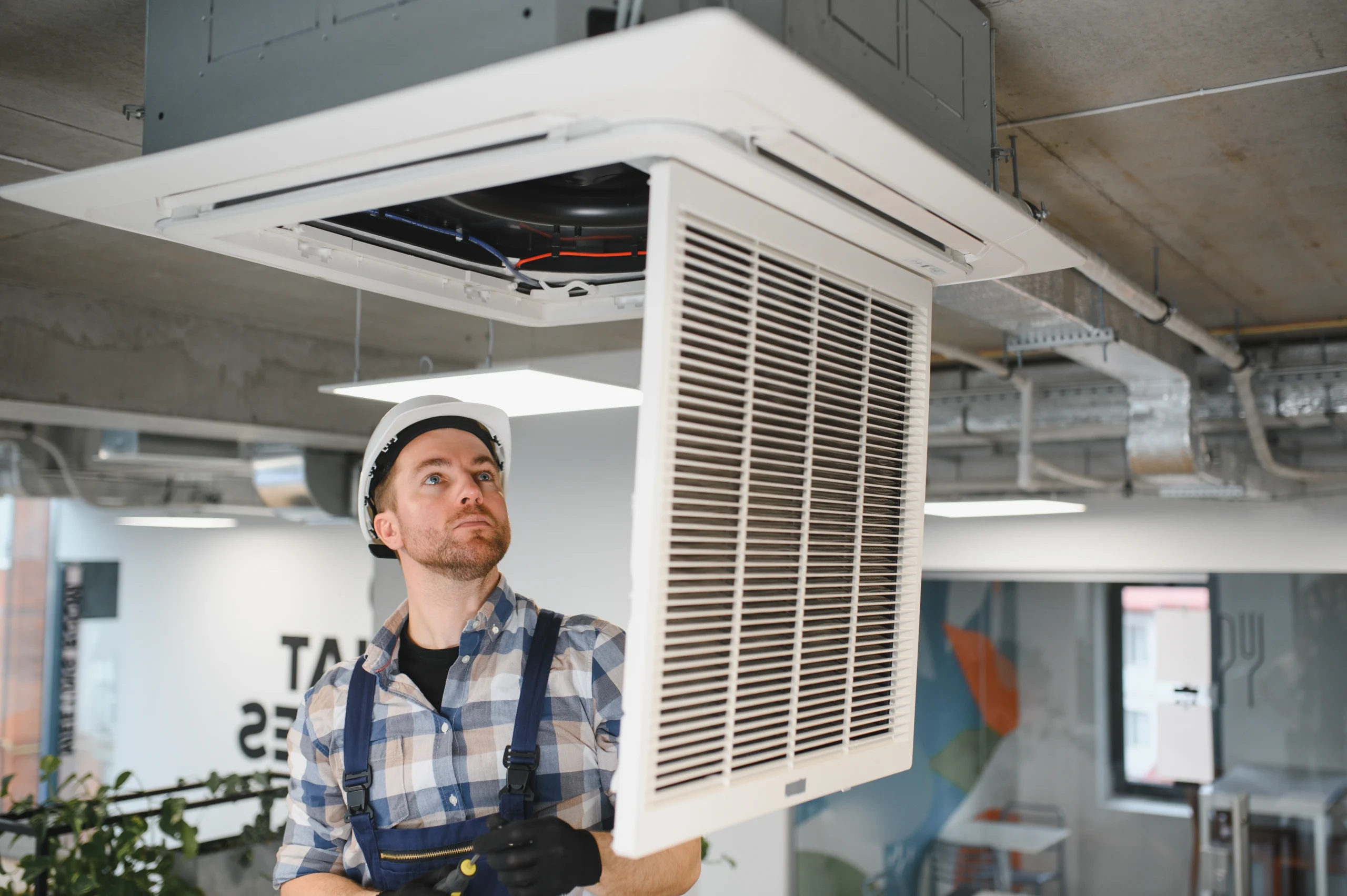
Why Do HVAC Contractors Need Insurance In Connecticut?
HVAC contractors in Connecticut face many of the same challenges as contractors elsewhere, but their work can also be influenced by local weather, building conditions, seasonal demand, and the types of residential and commercial properties they serve. A contractor may be working in a finished home one day and a construction site the next, creating different exposures from one project to another.
Insurance can be an important part of managing these risks. For example, a customer could claim that an HVAC installation damaged their property, or a visitor could be injured while a contractor is performing work. Tools and equipment may also be exposed to theft, damage, or loss while being transported between jobs.
A properly structured policy may provide coverage for certain covered incidents while also supporting contractual requirements from property owners, general contractors, or commercial clients. Lana Insurance Center can work with HVAC professionals to identify potential exposures and explore insurance options appropriate for their operations.
What Coverage May HVAC Insurance Include?
The insurance needs of an HVAC company can vary depending on its services, number of employees, equipment, vehicles, and customers. A commercial insurance program may include a combination of coverages designed to address different areas of risk.
Potential coverage options may include:
- General Liability Insurance: May cover certain third-party bodily injury and property damage claims arising from business operations.
- Commercial Property Insurance: May cover eligible business property, such as office contents, tools, and equipment, against covered causes of loss.
- Workers’ Compensation: May provide benefits for eligible employees who experience covered work-related injuries or illnesses.
- Commercial Auto Insurance: May cover qualifying vehicles used for business purposes, subject to the terms of the policy.
- Tools And Equipment Coverage: May address covered losses involving equipment used to perform HVAC services.
- Business Interruption: May provide coverage for certain lost income or extra expenses following an eligible covered loss.
Not every HVAC company needs the same combination of coverage. A contractor who operates several service vehicles and maintains a large inventory may have different insurance considerations than a smaller business working primarily from a home office.

How Can HVAC Contractors Protect Their Tools And Equipment?
HVAC professionals rely heavily on specialized tools and equipment to diagnose problems, complete installations, and maintain systems. These items can represent a substantial investment, particularly when a business owns testing instruments, power tools, ladders, recovery equipment, and other specialized gear.
Equipment can face risks while stored at a business location, transported to a job, or used at a customer’s property. Theft, accidental damage, fire, and other incidents may create expenses that go beyond simply replacing an individual tool. The right insurance arrangement may address eligible business property and equipment losses, depending on the policy terms.
Contractors should also keep accurate records of their equipment, including purchase information and approximate replacement costs. Reviewing these values periodically with an insurance professional can help ensure that the business’s coverage considerations keep pace with changes in operations and equipment investments.
Does HVAC Insurance Cover Employees And Job-Site Risks?
Employees can be an essential part of an HVAC company’s ability to serve customers, but fieldwork can involve physical hazards. Technicians may climb ladders, work around electrical systems, handle heavy equipment, enter confined areas, or perform repairs in unfamiliar environments. These conditions can create risks for both employees and third parties.
Workers’ compensation coverage may be an important consideration for businesses with employees, subject to applicable requirements and policy terms. General liability insurance may address certain third-party claims involving bodily injury or property damage arising from covered business operations.
Contractors should also consider how subcontractors are used. Depending on the arrangement, certificates of insurance, contracts, and responsibility for claims can become important parts of an overall risk-management strategy. Lana Insurance Center can help HVAC business owners review these considerations and identify areas where additional insurance may be appropriate.
How Can Connecticut HVAC Businesses Choose The Right Coverage?
Selecting HVAC Insurance starts with understanding how the business actually operates. An insurance program should reflect the services performed, locations served, equipment owned, employees or subcontractors used, vehicles operated, and types of customers involved.
For an HVAC contractor, important considerations may include:
- Business Operations: Residential service, commercial work, new construction, maintenance, and installation can present different exposures.
- Property And Equipment: The value and location of tools, inventory, machinery, and office property can influence coverage needs.
- Vehicles: Service vans and other business-use vehicles may require commercial auto coverage.
- Contracts: Certain customers or project owners may require specific insurance limits or certificates.
- Growth: Adding technicians, vehicles, locations, or services can change a company’s insurance needs.
Rather than relying on a one-size-fits-all approach, business owners can review their current operations with an experienced insurance professional. Lana Insurance Center can help contractors evaluate their risks and consider coverage options suited to their business.
Why Work With Lana Insurance Center For HVAC Insurance in Connecticut?
HVAC contractors have unique responsibilities, and their insurance should be approached with those responsibilities in mind. Lana Insurance Center provides a local resource for business owners seeking to understand their commercial insurance options and build a strategy around their operations.
Whether a contractor is launching a new HVAC company, expanding an established operation, adding employees, or reviewing existing coverage, an insurance review can be a useful opportunity to identify potential gaps and changing exposures. Coverage needs can evolve as a business grows, and periodic reviews may help keep the insurance program aligned with current operations.
For HVAC professionals looking for HVAC Insurance in Connecticut, Lana Insurance Center can help explore available options and develop an insurance approach based on the business’s individual needs. Contact Lana Insurance Center today to discuss coverage for your HVAC business.

