
VACATION HOME INSURANCE CENTER INC
Vacation Home Insurance in Connecticut
Owning a vacation home is a rewarding investment that offers a place to relax, spend time with family, or generate rental income throughout the year. However, a second home often faces different risks than a primary residence. Periods of vacancy, seasonal weather, and occasional guest use can create insurance needs that deserve careful consideration.
At Lana Insurance Center, we work with homeowners throughout Connecticut to explore vacation home insurance options that fit their unique properties and goals. Whether your getaway is a waterfront cottage, a mountain retreat, or a seasonal lake house, we’ll help you review coverage options from trusted insurance carriers so you can make informed decisions for your property.
Why Is Vacation Home Insurance Important In Connecticut?
A vacation home typically experiences different usage patterns than a primary residence. Many owners only occupy the property during certain seasons or weekends, which can increase the likelihood that maintenance issues or damage go unnoticed for longer periods. In Connecticut, changing weather conditions, coastal storms, freezing temperatures, and heavy snowfall may also affect seasonal properties.
Vacation home insurance is designed to address risks associated with owning a secondary residence. Coverage options can often be tailored based on how you use the property, whether it remains vacant for extended periods, or if it is occasionally rented to guests. Working with an experienced insurance agency allows you to better understand available options while selecting protection that aligns with your property’s unique circumstances.
Free Quotes!

What Does Connecticut Vacation Home Insurance Typically Include?
Every policy is different, and available coverage depends on the insurance carrier and your property’s characteristics. Vacation home insurance policies may include several important protections designed for secondary residences.
Common coverage options may include:
- Dwelling Coverage: Protection for the home’s structure following covered losses.
- Other Structures Coverage: Insurance for detached garages, sheds, fences, or similar buildings.
- Personal Property Coverage: Protection for furniture, appliances, electronics, and personal belongings kept at the vacation home.
- Personal Liability Coverage: Financial protection if someone is injured on the property and you’re found legally responsible.
- Medical Payments Coverage: Assistance with certain medical expenses for guests after covered accidents.
- Loss Of Use Coverage: Assistance with additional living expenses if a covered event temporarily makes the property uninhabitable.
Because every vacation property is different, your insurance professional can review available endorsements and policy options that fit your specific needs.
How Does Vacation Home Insurance Differ From Primary Homeowners Insurance?
Although vacation home insurance shares similarities with standard homeowners insurance, it often accounts for the unique risks associated with second homes. Insurance companies typically evaluate factors such as occupancy, location, accessibility, and whether the home is rented to others during portions of the year.
A vacation home that sits vacant for extended periods may require different underwriting considerations than a home occupied daily. Likewise, waterfront properties or homes in areas exposed to severe weather may benefit from additional policy options depending on their location.
If you rent your vacation home on a short-term basis, your insurance needs may also change. Certain policies or endorsements may be available to address rental activity, guest liability, or property used for income purposes. Reviewing these details before purchasing or renewing coverage can help prevent unexpected coverage gaps later.
Who Needs Vacation Home Insurance In Connecticut?
Many property owners assume their primary homeowners policy automatically extends to a second residence, but that is often not the case. Vacation home insurance is generally recommended for anyone who owns a secondary property used for recreation, seasonal living, or occasional rentals.
Property owners who may benefit include:
- Families with seasonal cottages or lake homes.
- Owners of beachfront or waterfront vacation properties.
- Individuals who use a second home during holidays or weekends.
- Homeowners who occasionally rent their vacation property to guests.
- Investors who maintain furnished seasonal residences.
- Retirees with multiple homes throughout the year.
No matter how frequently you visit your vacation home, reviewing your insurance options with a knowledgeable agency can provide greater confidence that your property is properly considered.
What Factors Affect Vacation Home Insurance Costs In Connecticut?
Several variables influence the cost of vacation home insurance, and every property presents its own level of risk. Insurance companies evaluate multiple details before determining premiums and available coverage options.
Some common factors include the property’s location, age, construction materials, replacement cost, security features, distance from emergency services, and claims history. Homes located near the shoreline or in areas exposed to seasonal weather may have different insurance considerations than inland properties.
The way the property is used also plays an important role. Whether the home is owner-occupied, left vacant for long periods, or rented to guests can affect policy recommendations. Optional endorsements, selected deductibles, and available discounts may also influence pricing. Reviewing these details with Lana Insurance Center allows you to compare options and select coverage that fits both your needs and budget.
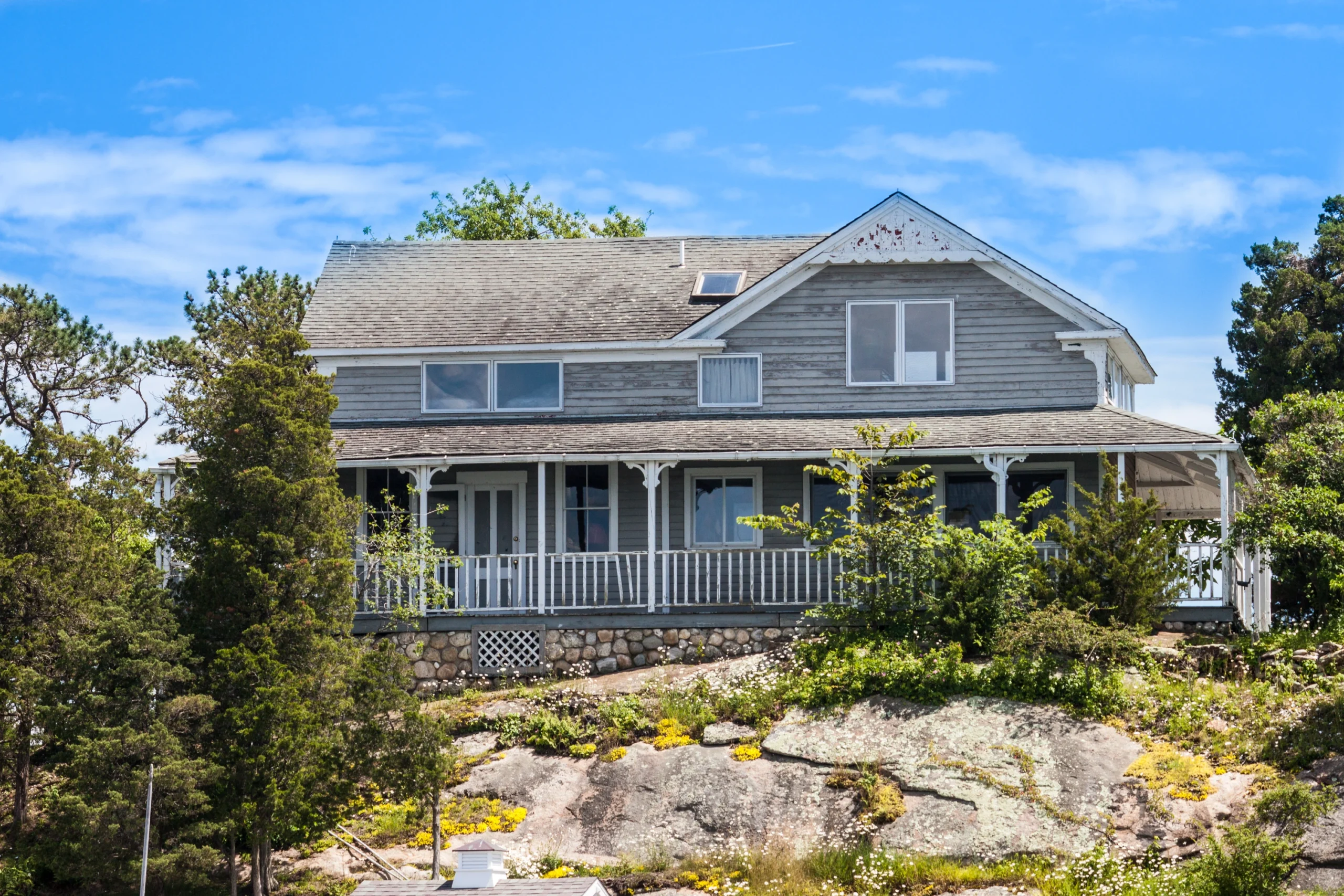
How Can You Help Protect Your Vacation Property Year-Round?
Insurance is only one part of protecting your investment. Regular maintenance and proactive safety measures can reduce the likelihood of costly property damage while keeping your vacation home in excellent condition throughout the year.
Helpful practices may include:
- Performing seasonal inspections before and after extended absences.
- Installing monitored security and fire alarm systems.
- Maintaining heating systems to reduce freezing risks during winter.
- Shutting off or monitoring water systems when appropriate.
- Keeping roofs, gutters, and drainage systems well maintained.
- Trimming trees and landscaping that could threaten the home during storms.
- Scheduling regular visits if the property remains vacant for extended periods.
Combining responsible property maintenance with appropriate insurance coverage creates a stronger overall strategy for protecting your vacation home over the long term.
Why Choose Lana Insurance Center For Vacation Home Insurance?
Choosing insurance for a vacation property involves more than simply comparing prices. Every second home has unique characteristics, and working with an independent agency provides access to multiple insurance companies and personalized guidance throughout the process.
At Lana Insurance Center, we take the time to understand how you use your vacation property before recommending coverage options. Our team can explain policy features in straightforward language, answer your questions, and help you compare available solutions from respected insurance carriers. As your needs evolve, we’re here to review your coverage and discuss adjustments that reflect changes to your property or lifestyle.
If you’re looking for Vacation Home Insurance in Connecticut, contact Lana Insurance Center today. We’ll help you explore coverage options designed for your vacation property and provide knowledgeable guidance every step of the way.

